Maps and scenes
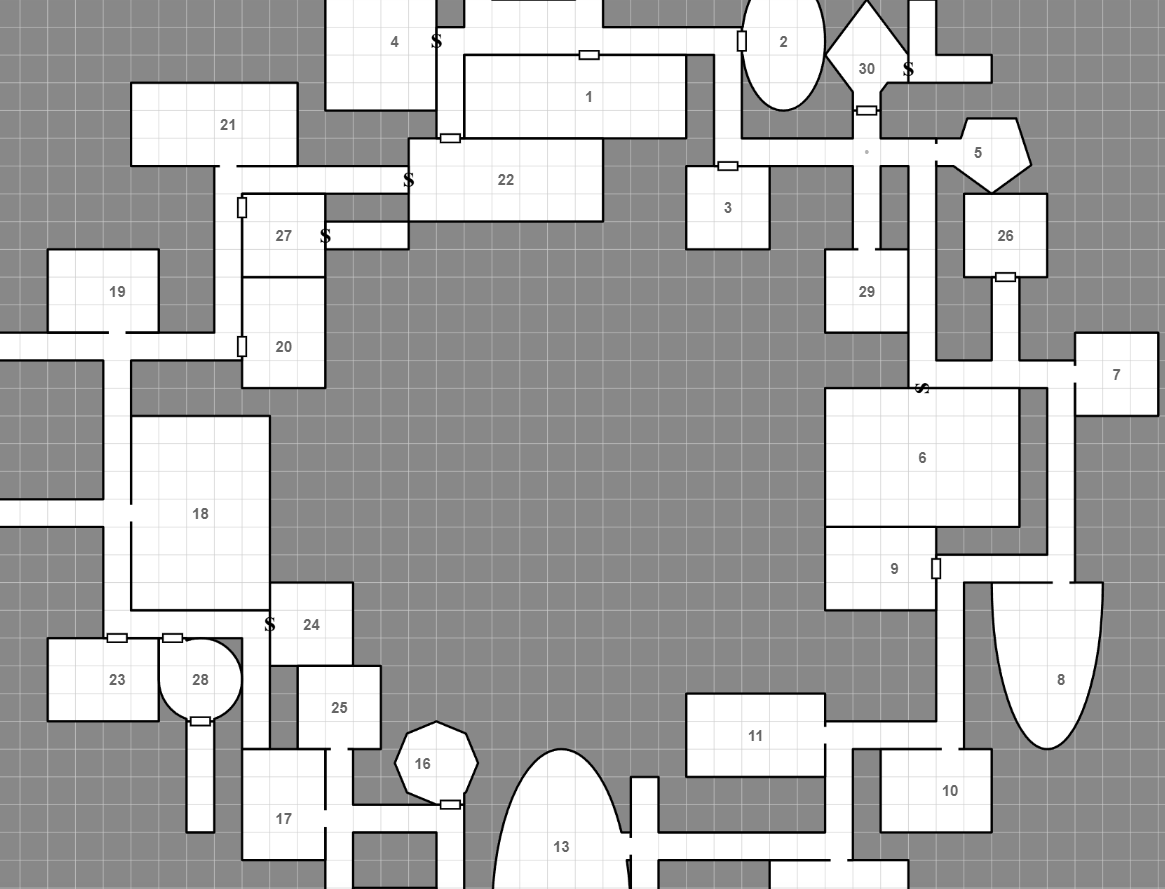
Upload your own maps or transfer maps created with the dungeon generator. Pan and zoom the play space while keeping each Adventure organized.
Build a persistent Adventure, bring in a generated or uploaded map, and run the session with tokens, map layers, encounters, character sheets, chat, and shared dice.
The LPG virtual tabletop keeps maps, campaign material, players, and live play tools together in a persistent browser workspace.
Upload your own maps or transfer maps created with the dungeon generator. Pan and zoom the play space while keeping each Adventure organized.
Place and move character or creature tokens, organize scene elements by layer, and control the information visible during play.
Import dungeon room encounters with the map, open encounter details from numbered markers, and edit the records for your campaign.
Keep player characters available inside the Adventure with editable D&D 5.5e character sheets for the people at your table.
Roll common polyhedral dice from the tabletop bar and keep table conversation together through Adventure chat.
Return to the same campaign workspace between sessions instead of rebuilding the table every time the group meets.
Name the campaign and open its persistent tabletop workspace.
Upload an image or send a generated dungeon and its keyed encounters directly to the Adventure.
Place tokens, arrange layers, review encounters, and add the characters used by the group.
Share the Adventure and run the session with synchronized tabletop tools, chat, and dice.
A virtual tabletop, often shortened to VTT, is an online play space for tabletop roleplaying games. It gives a remote or in-person group a shared map and digital tools for running a session.
Yes. The tabletop is browser based, so players use a web browser rather than installing a separate desktop client.
Yes. LPG dungeon maps can be saved or transferred with their keyed room encounters, reducing the work needed to prepare them for play.
The current character-sheet workflow is designed around D&D 5.5e, while core tabletop tools such as maps, tokens, layers, chat, and dice can support broader tabletop RPG play.
Start with the virtual tabletop, or build a complete keyed map in the dungeon generator first.